August Plant Highlight

August is the month when gardens really show the results of a season's worth of growth. Summer blooms are at their peak, trees are full and lush, and landscapes take on a rich, established look. It's also the perfect time to notice which plants continue to perform despite the heat, adding dependable color and interest long after spring has passed. This month's featured plants highlight late-summer beauty with long-lasting blooms, eye-catching foliage, and standout landscape appeal.

Chocolate Fountain Sedum is beginning to hit its stride with rich, dark foliage and clusters of blooms that attract bees and butterflies late into the season. Berry White Hydrangea Tree offers large white flower panicles that gradually blush to soft pink, creating an elegant focal point in the landscape. Summer Shimmer Aspen brings movement and brightness with its shimmering leaves and crisp white bark, making it a beautiful shade tree that catches the eye from across the yard. And FlowerFull Hydrangea lives up to its name, producing an abundance of colorful blooms that keep the garden looking fresh well into late summer.

Whether you're adding another season of color, looking for a new focal point, or planning ahead for next year's landscape, these plants are well worth a closer look. After checking out their specs below, stop by the nursery to see them in person and find inspiration for the final stretch of the growing season.


Chocolate Fountain Sedum
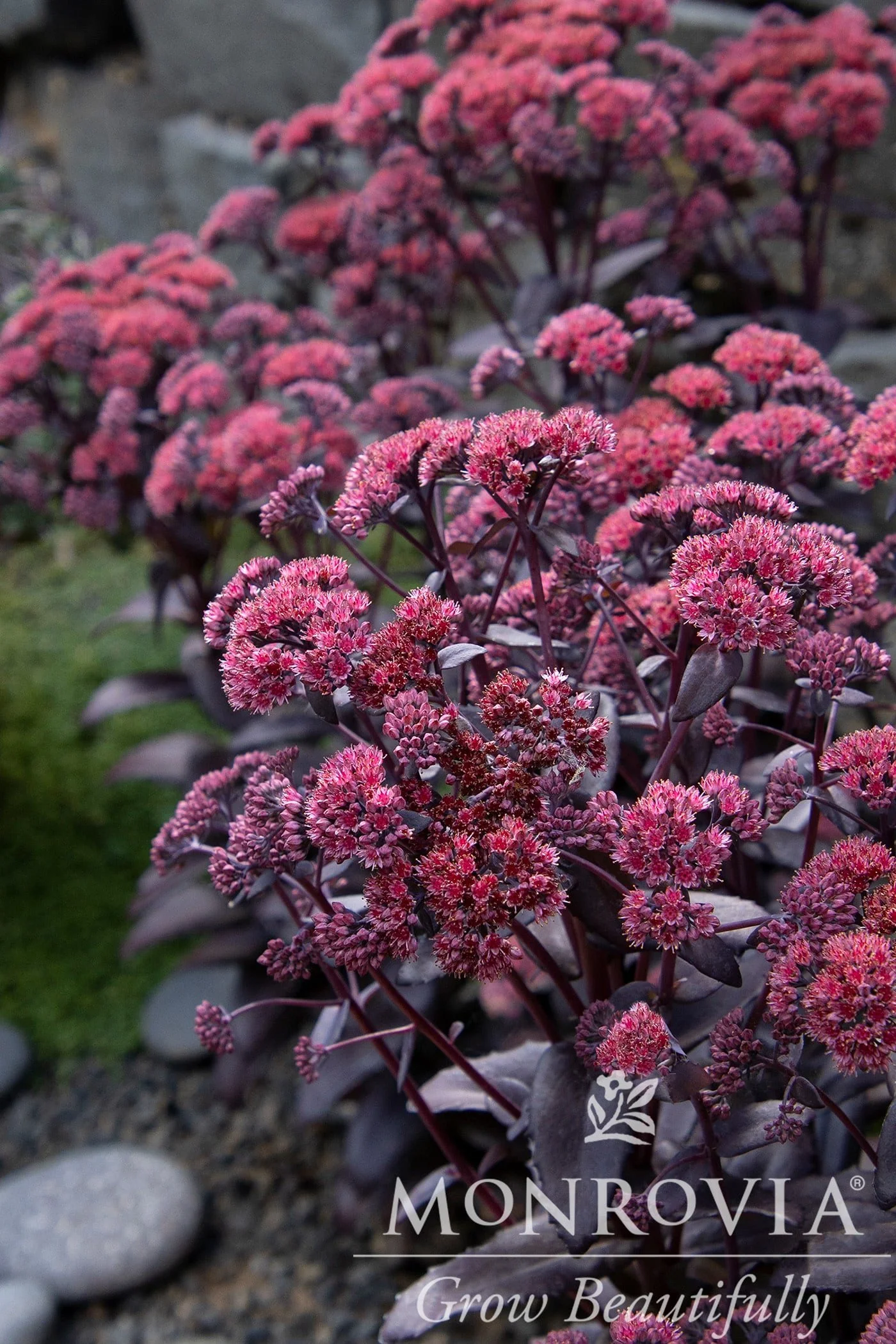
Image source: Monrovia Nurseries

Description:

Bred for strong basal branching with compact stems that do not fall open, this delectable sedum produces a dense mound with multiple crowns of attractive, dark chocolate-colored, succulent foliage that is salted with pretty rose-pink blooms in the summer. Adds depth to borders, rock gardens, and container plantings. Evergreen in mild winter regions. A Monrovia exclusive.

Species Specs

Height: 15”

Spread: 15”

Exposure: Full Sun

Zone: 4-9

Plant Care:

Thrives in average to very lean, well-drained soils. Benefits from light shade in very hot summer climates. Water regularly during the first growing season to establish an extensive root system; reduce frequency, once established. Space 12 to 15 inches apart as groundcover; closer for faster fill. Fertilize sparingly.


Berry White Hydrangea Tree
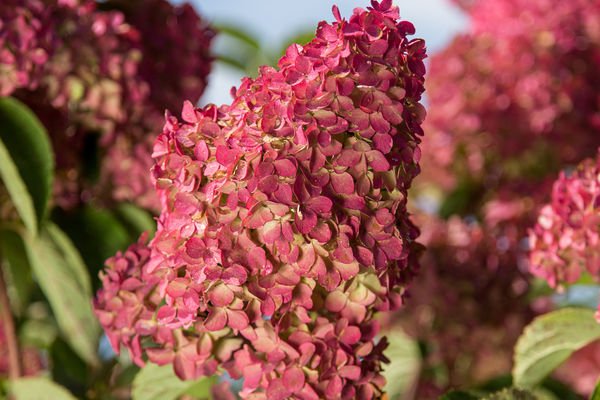
Image source: Bailey Nurseries

Description:

This long-awaited introduction is a step forward in paniculata breeding. With strong, upright stems and large cone-shaped flower panicles that stay upright, this plant is a summer stunner. The flower color starts out white in July then progresses to dark pink, beginning at the bottom and developing up to the top of the panicle. Berry White® blooms a little later than Strawberry Sundae® and about the same time as Vanilla Strawberry™. Color shades can vary by location, climate, and type of soil. This tree-form hydrangea is perfect for garden focal points or containers.

Species Specs

Height: 6-7’

Spread: 4-5’

Exposure: Full Sun to Part Shade

Zone: 4-8

Plant Care:

Berry White Hydrangea Tree grows best in full sun to partial shade with well-drained soil and benefits from about an inch of water per week, especially while getting established. A layer of mulch helps retain soil moisture, and a slow-release fertilizer applied in early spring encourages healthy growth and abundant blooms. Since it flowers on new wood, prune in late winter or early spring by removing dead branches and cutting back the upper growth to promote larger, stronger flower clusters.


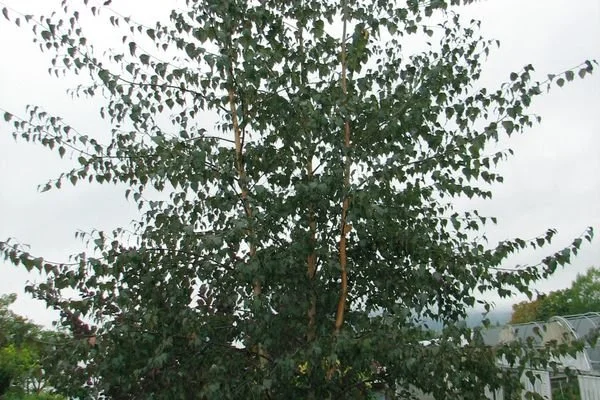
Summer Shimmer Aspen
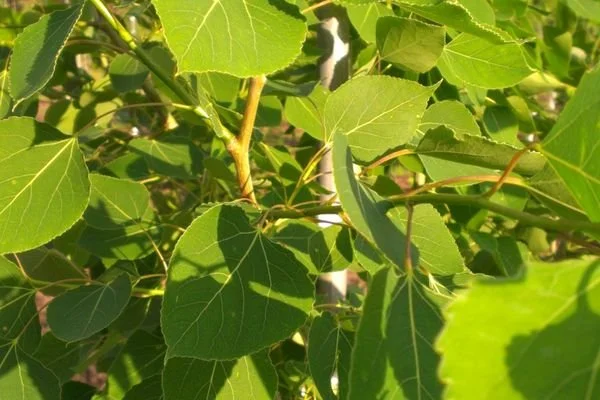
Image source: Bailey Nurseries

Description:

Discovered in windbreak by Kendall Klaus in Hastings, MN, this hybrid tree has increased disease resistance over P. tremuloides or P. deltoides. Named for the shimmer of light that is reflected by the white bark and silver undersides of its large, dark glossy green leaves that turn shades of yellow each fall. The fluttering leaves create a rustling sound that is quintessential summer and hard to resist. Summer Shimmer® suckers dramatically less than other quaking aspen, making it a better choice for smaller landscapes as a specimen or in groves. Preferring relatively cool summers, full sun, and moist but well-drained soil, this poplar is adaptable to a range of conditions once established.

Species Specs

Height: 60-70’

Spread: 35’

Exposure: Full Sun

Zone: 3-6

Plant Care:

Summer Shimmer Aspen thrives in full sun and appreciates deep, consistent watering, especially while young, to keep the soil evenly moist through the summer. A 2–3 inch layer of mulch helps keep the shallow roots cool and conserves moisture, but keep it a few inches away from the trunk. Avoid pruning during the growing season, as it can invite pests and disease. Instead, wait until late winter or early spring to make any necessary cuts.


FlowerFull Smooth Hydrangea
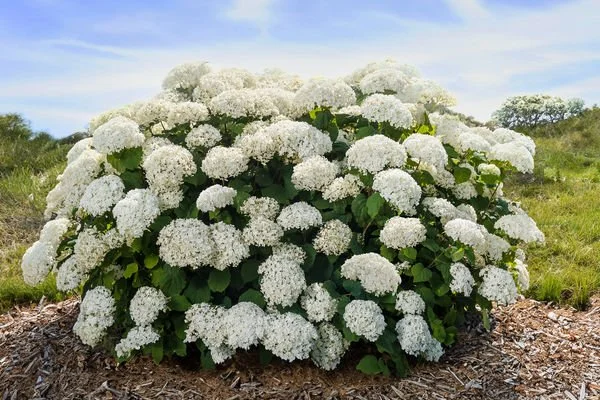
Image source: Bailey Nurseries

Description:

FlowerFull® Smooth Hydrangea boasts superior genetics that produce significantly bolder blooms and sturdier upright stems. With two-to-three times more blooms per season than other Hydrangea arborescens, FlowerFull® is a major improvement to the industry standard. That proliferation of blooms is held high on strong stems that don’t flop in the wind and rain. With fewer touch points from day one, this low-maintenance marvel has improved resistance to bacterial leaf spot and makes for an outstanding focal point in smaller landscapes and commercial settings alike.

Species Specs

Height: 3-4’

Spread: 4-5’

Exposure: Full Sun to Part Shade

Zone: 3-8

Plant Care:

FlowerFull Smooth Hydrangea grows best in rich, well-drained soil with full sun to partial shade, ideally receiving morning sun and afternoon shade. Keep the soil consistently moist by watering deeply at the base of the plant, and apply a layer of mulch to help retain moisture. Feed with a balanced, slow-release fertilizer in early spring, then prune in late winter or early spring to about 12–18 inches above the ground to encourage strong new growth and abundant blooms.
July Plant Highlight

The landscape starts to settle into its summer rhythm this month. Perennials are blooming, trees and shrubs are putting on fresh growth, and the garden begins to show which plants really know how to earn their keep this time of year. It’s a month full of color, texture, and plenty of reasons to spend a little more time outside admiring what’s filling in. This month’s featured plants bring together bright blooms, dependable structure, standout foliage, and even a little future fruit for good measure.

Hetz Midget Arborvitae is a compact evergreen with a soft, rounded form that works beautifully in foundation plantings, mixed beds, or anywhere you need year-round structure without a lot of fuss. Hibiscus Moonshadow Rosita is all about summer drama, with oversized blooms that bring tropical-looking color to the landscape right when gardens are craving a midseason boost. Royal Frost Birch offers striking contrast with its dark purple foliage and bright white bark, making it a standout shade tree with beauty well beyond one season. And Honeycrisp Apple brings the promise of homegrown fruit along with spring flowers, useful shade, and the satisfaction of planting something you’ll be excited to harvest down the road.

Together, these plants showcase the beauty of summer landscapes while also adding long-term value to your yard. Stop by the nursery to see them in person and gather a little inspiration for the season ahead.


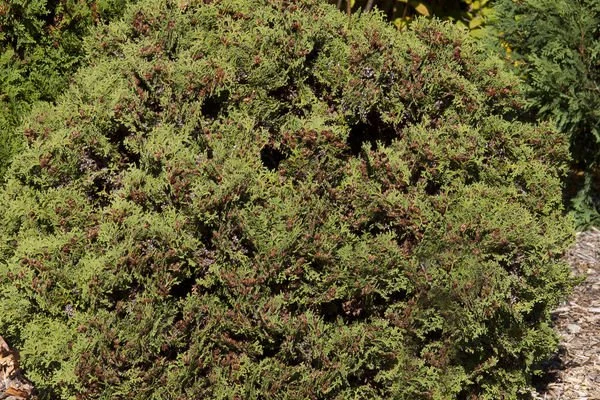
Hetz Midget Arborvitae

Image source: Bailey Nurseries

Description:

The Hetz Midget Thuja Shrub is a well-rounded evergreen, particularly for its wonderful globe silhouette and convenient dwarf size. Requires no shearing to maintain globe form. Very slow grower. Plus, it's a hardy and adaptable shrub that's excellent for everything from containers to rock gardens and plant beds.

Species Specs

Height: 2’

Spread: 2-3’

Exposure: Full Sun

Zone: 3-8

Plant Care:

Hetz Midget Arborvitae grows best in full to partial sun and prefers moist soil, though it’s adaptable to a range of soil types once established. Water when the soil is dry a couple inches down, especially during dry spells, and consider a light application of evergreen fertilizer in spring if you’d like to give it a boost. This compact arborvitae naturally keeps a tidy shape, so pruning is only needed if you want to fine-tune its size or form.


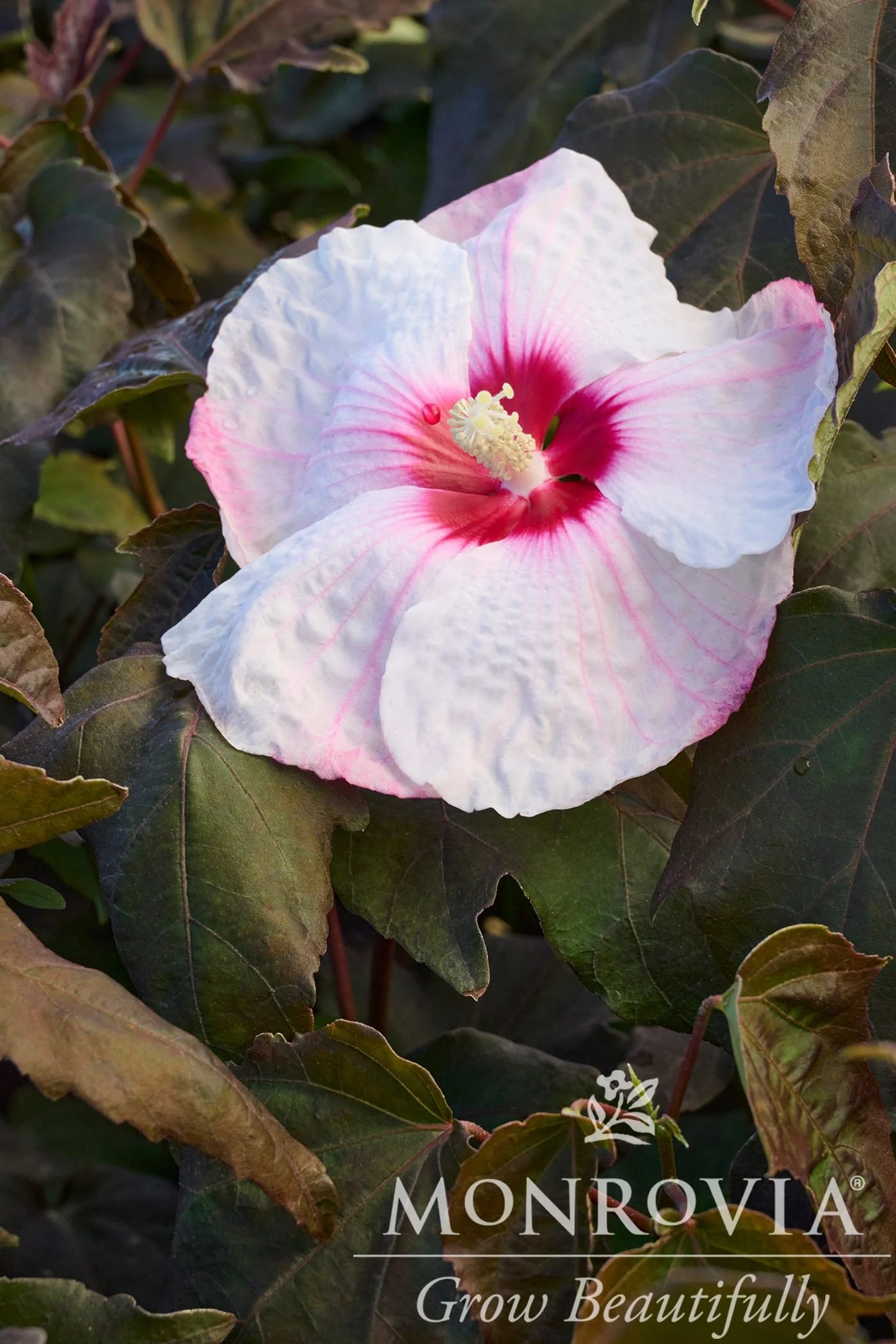
Hibiscus Moonshadow Rosita

Image source: Monrovia Nurseries

Description:

Big, lightly blushing blooms with a deep crimson center contrast against the dark, purple-black foliage on a densely branched, compact plant. Breaks dormancy and blooms several weeks earlier than other varieties, with a heavy flower set. A beautiful addition to perennial borders, or excellent in planters. Boasts increased tolerance of Japanese beetles and sawfly larvae. Herbaceous perennial.

Species Specs

Height: 4’

Spread: 3’

Exposure: Full Sun

Zone: 4-9

Plant Care:

Provide enriched, well-drained soil. Water deeply, regularly to maintain moist soil. Fertilize in early spring and regularly during the growing season. Remove spent blooms for a tidy appearance, and pinch stems back to promote bushier growth. Can be hard pruned to the ground in late winter to early spring.


Royal Frost Birch

Image source: Bailey Nurseries

Description:

This birch has the best from both of its parents. From 'Whitespire' it inherited beautiful white bark and resistance to the bronze birch borer. From 'Crimson Frost' comes burgundy-red foliage. The combination of two colors makes this an outstanding specimen tree. Much faster growing than 'Crimson Frost'.

Species Specs

Height: 30-40’

Spread: 15-20’

Exposure: Full Sun

Zone: 4-7

Plant Care:

Royal Frost Birch grows best in evenly moist, well-drained soil and should be watered regularly during dry stretches, as birches do not handle drought well. It develops its best foliage color in full sun, but in warmer conditions it benefits from cool, shaded roots and a layer of mulch to help retain moisture. Prune only during winter dormancy, since pruning in spring can lead to heavy sap bleeding.


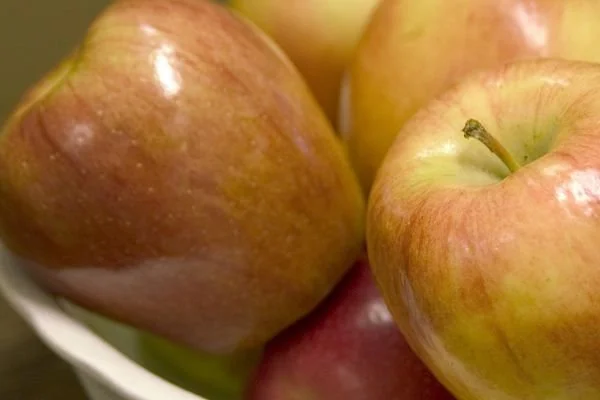
Honeycrisp Apple

Image source: Bailey Nurseries

Description:

An exciting apple that is exceptionally crisp and juicy. Flavor is sweet but well-balanced. Excellent storage life, up to 7 months. Has been rated equal to or higher in overall quality than 'Haralson', 'Honeygold' or 'Keepsake' in winter storage trials. Ripens in late September in Minnesota and stores like a late season variety. Has become an outstanding commercial and home orchard variety because of its explosive crispness, flavor and storage life.

Species Specs

Height: Varies’

Spread: Varies’

Exposure: Full Sun

Zone: 4-7

Plant Care:

Honeycrisp Apple trees grow best in full sun and well-drained, slightly acidic soil, and they’ll need a different compatible apple variety nearby for pollination and fruit production. Young trees need consistent deep watering while establishing, along with an annual spring feeding and late-winter pruning to keep the canopy healthy and open. It’s also worth keeping an eye out for common pests and bitter pit, a calcium-related issue Honeycrisp can be prone to as fruit develops.

June Plant Highlight

June is when the garden really starts showing off. Early spring blooms are giving way to fuller landscapes, vibrant color combinations, and plants that thrive in the warmth and longer days of summer. Garden beds begin filling in, textures become more noticeable, and the entire landscape takes on that lush, layered look that makes this time of year so rewarding. This month’s featured plants highlight the beauty of contrast, bringing together bold color, unique texture, and dependable structure for every kind of landscape.

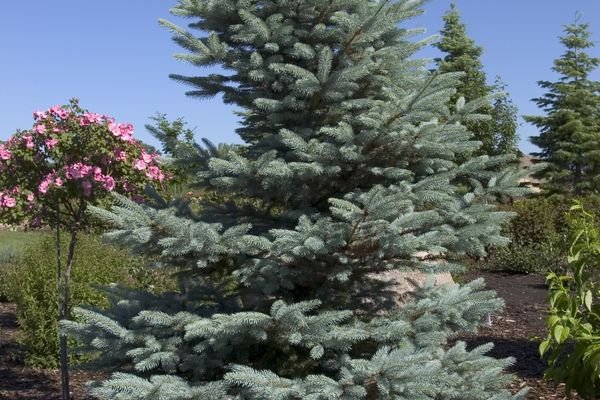
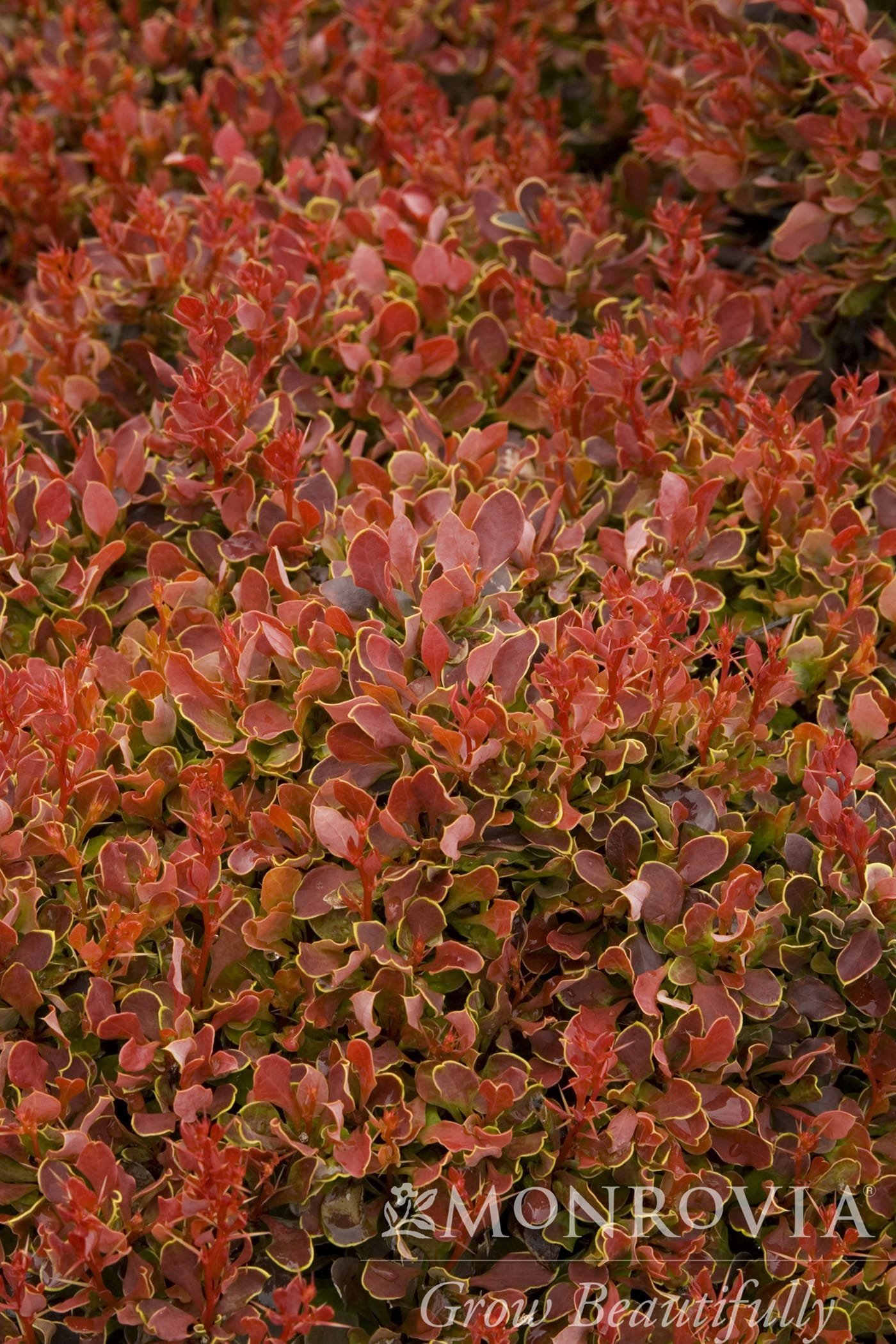
Summer Beauty Ornamental Onion is putting on a cheerful display with globe-shaped lavender blooms that pollinators absolutely love. Silvermound brings soft texture and silvery foliage that brightens garden beds and pairs beautifully with more colorful blooms nearby. Fat Albert Spruce adds dependable evergreen structure with its striking blue needles and classic pyramidal shape, making it a standout year-round centerpiece. And Golden Ruby Barberry delivers vibrant foliage with fiery tones that shift beautifully throughout the season, adding bold color and contrast to the landscape.

Together, these plants offer a little bit of everything, from bright summer blooms and soft texture to strong evergreen form and colorful foliage. Stop by the nursery to see them in person and gather inspiration as your garden settles into the beauty of summer.


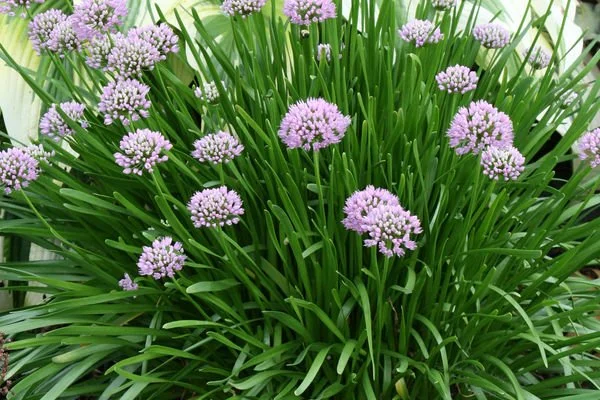
Summer Beauty Ornamental Onion

Image source: Bailey Nurseries

Description:

This ornamental onion is beautiful throughout the seasons. One of the first plants to emerge in spring, its neat glossy green foliage is attractive from spring through fall. In mid-summer, pink round flowers emerge just above the foliage and add a touch of color to the mid-summer garden. The flowers themselves are sterile. Once they fade and dry, they add a nice structural element to the winter garden. A tough, easy to grow plant that will not be eaten by deer, rabbits and rodents, and is quite tolerant of drought conditions and hot weather.

Species Specs

Height: 30”

Spread: 24-30”

Exposure: Full Sun

Zone: 4-8

Plant Care:

Summer Beauty Ornamental Onion thrives in fertile, well-drained soil and benefits from regular watering during its first season while roots establish. Once mature, it becomes highly drought-tolerant and requires very little maintenance beyond occasional feeding with a slow-release fertilizer. Spent blooms can be deadheaded for a tidier appearance, though many gardeners enjoy their structure through the winter months.


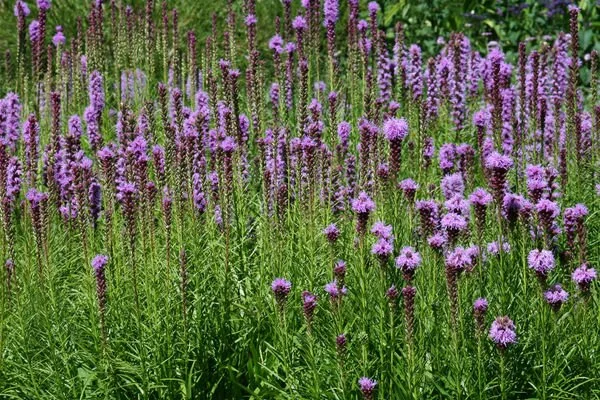
Kobold Spike Gayfeather

Image source: Bailey Nurseries

Description:

Multiple spikes of lilac-mauve are produced in early summer. Makes a good cut and dried flower. Drought tolerant and does not need staking.

Species Specs

Height: 18-24”

Spread: 12-18”

Exposure: Full Sun

Zone: 3-9

Plant Care:

Grows best in well-drained soil and prefers average to lean conditions, especially avoiding heavy or overly wet soil during winter months. Water deeply during the first growing season to help establish roots, then provide about an inch of water per week for best performance, though it can tolerate short dry periods once established. A light application of balanced, slow-release fertilizer in early spring is plenty, as over-fertilizing can lead to weak, floppy growth.


Fat Albert Spruce

Image source: Bailey Nurseries

Description:

A truly blue spruce, this grafted variety is slow-growing and ideal for situations where you would like a spruce that doesn't ultimately reach 60' in height! 'Fat Albert' has a naturally straight leader and well-shaped form, even as a young tree and requires no staking or training.

Species Specs

Height: 15’

Spread: 8-10’

Exposure: Full Sun

Zone: 3-7

Plant Care:

The Fat Albert thrives in slightly acidic, well-drained soil and benefits from deep watering once or twice a week during its first couple of years while roots establish. Once mature, it becomes fairly drought-tolerant and prefers soil that can dry slightly between waterings. It requires very little maintenance overall, naturally holding its pyramidal shape with minimal pruning beyond removing occasional dead or damaged branches.


Golden Ruby Barberry

Image source: Monrovia Nurseries

Description:

A handsome, compact shrub with colorful coral-orange foliage that lasts into autumn, then turns a brilliant mix of bright orange to brick red, accented with gold margins. Excellent as an accent, or plant in groupings in a low maintenance landscape. Rarely produces seedlings. Vigorous and hardy into USDA zone 3 with winter protection. Deciduous.

Species Specs

Height: 2’

Spread: 2’

Exposure: Full Sun

Zone: 4-8

Plant Care:

Thrives in average, well-drained soil; avoid poorly drained, wet sites. Water deeply, regularly during the first growing season to establish an extensive root system; reduce frequency once established. Apply fertilizer before new growth begins in spring. No pruning required to maintain its size or shape.

May Plant Highlight

May has a way of making the garden feel alive in every direction. Trees are leafing out, perennials are stretching awake, and fresh blooms are beginning to steal the spotlight. It’s the time of year when landscapes start transforming quickly, rewarding us with color, texture, and the excitement of another growing season fully underway. This month’s featured plants showcase some of the best of spring, from flowering favorites to dependable landscape anchors that bring beauty for years to come.

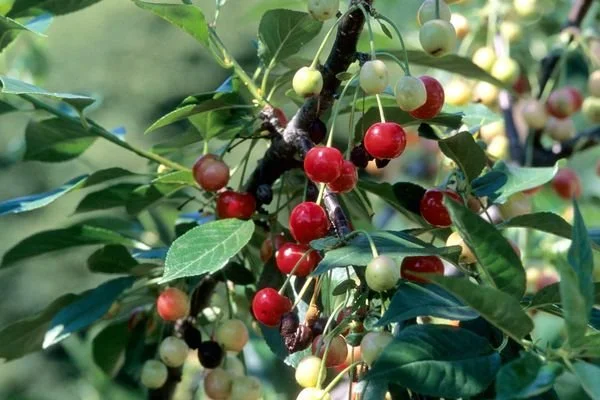
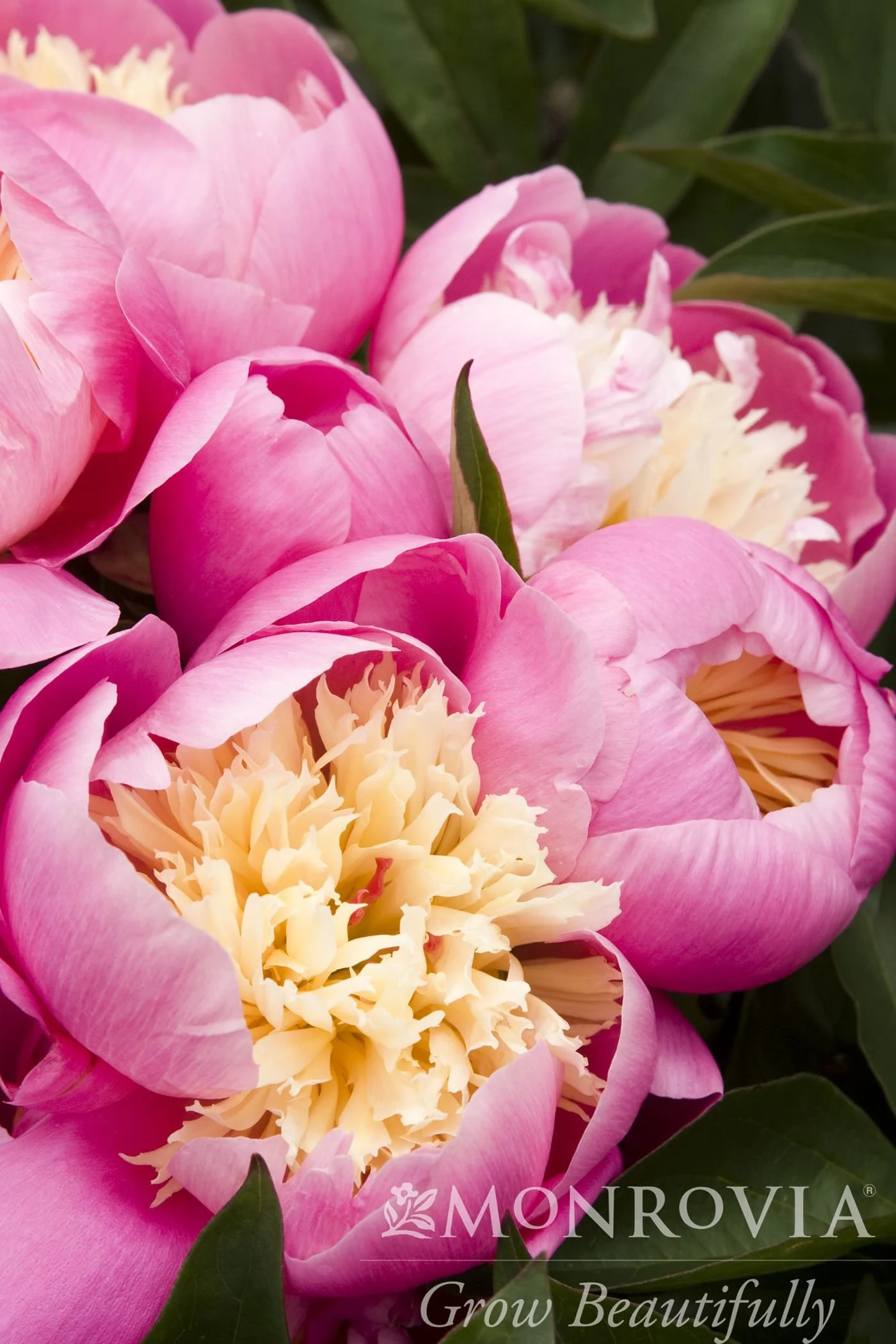
North Star Cherry is a standout for anyone dreaming of homegrown fruit, offering bright red cherries on a hardy, manageable tree perfect for northern climates. Peony Bowl of Beauty is beginning to put on its annual show with massive, fragrant blooms that practically stop visitors in their tracks. Legacy Maple brings strong structure and dependable shade to the landscape, paired with beautiful fall color that makes it worth planting now for years of enjoyment ahead. And Taylor Juniper adds year-round interest with its narrow, upright shape, making it a fantastic option for screening, vertical accents, or adding evergreen color to the landscape.

These plants each bring something special to the garden, whether you’re looking for blooms, structure, privacy, or even fresh fruit. Stop by the nursery to see them in person and get inspired as the 2026 season continues to come to life.


North Star Cherry

Image source: Bailey Nurseries

Description:

Genetic dwarf introduced by the University of Minnesota in 1950. Red fruit with a small stone. Very productive. A sour pie cherry. Blooms in early May.

Species Specs

Height: 8-10’

Spread: 6-8’

Exposure: Full Sun

Zone: 4-8

Plant Care:

North Star Cherry grows best in average, well-drained soil and benefits from consistent watering, especially while fruit is developing. Young trees need regular deep watering to establish, while mature trees appreciate extra water during dry periods. Avoid overly soggy soil, as cherries prefer conditions that can dry slightly between waterings.

Apply a slow-release fertilizer in early spring and prune in late winter to maintain airflow and healthy growth. North Star Cherry is self-pollinating, though planting another tart cherry nearby can help increase fruit production. Fruit typically ripens from late spring into early summer.


Peony Bowl of Beauty

Image source: Monrovia Nurseries

Description:

Lovely fuchsia pink petals create a bowl around the pale lemon yellow center of each bloom. The stunning spring flowers are displayed on sturdy, upright stems above the lush green foliage. An excellent background plant for spring bulbs, or for use in mixed or shrub borders. A choice cut flower. An herbaceous perennial. This herbaceous peony needs winter chill to set buds. It will not flower in zones 9 - 11.

Species Specs

Height: 24'“

Spread: 2-3”

Exposure: Full Sun

Zone: 4-8

Plant Care:

Provide organically rich, slightly acidic, well-drained soil; plant with crown slightly below soil level. Water deeply, regularly in first growing season to establish an extensive root system. Remove spent blooms for a tidy appearance. Needs little fertilization; apply a side dressing of organic compost annually. Prune old foliage in fall.


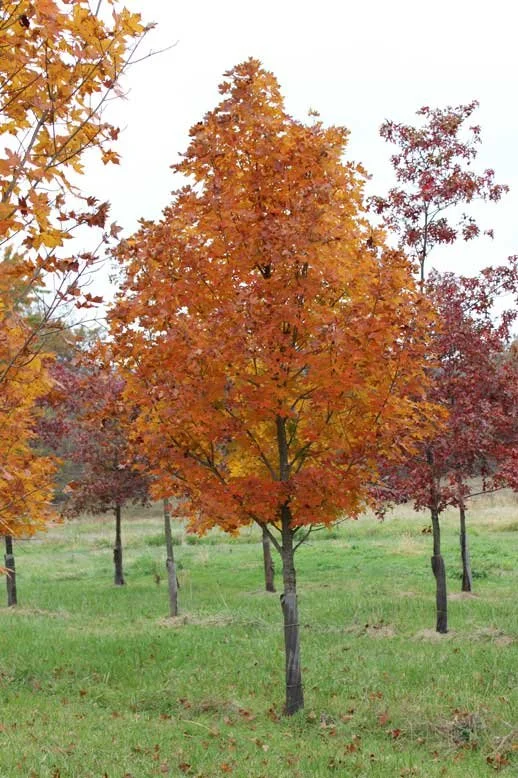
Legacy Maple

Image source: Shade Tree Farm

Description:

The Legacy Sugar Maple has outstanding foliage which looks good throughout the growing season. The glossy, dark green leaves are resistant to Japanese Beetle damage, leaf tatter and drought stress. The fall color on this tree is particularly eye catching. A reliable performer turning intense shades of reddish orange in autumn.

Species Specs

Height: 40-50’

Spread: 35-40’

Exposure: Full Sun to Part Shade

Zone: 3-8

Plant Care:

A low-maintenance, hardy shade tree that thrives in full sun and rich, moist, well-drained soil. It requires regular water for the first two years, deep weekly watering during droughts thereafter, and is best pruned in summer to avoid sap "bleeding".


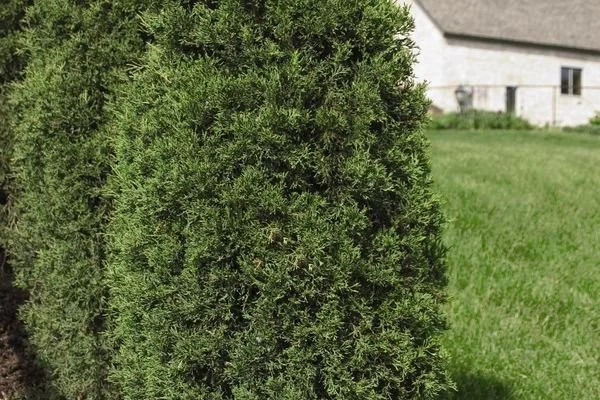
Taylor Juniper

Image source: Bailey Nurseries

Description:

With a distinctively narrow, upright form, tight branching and dark grey green foliage, consider 'Taylor' the "Italian Cypress" of the North! It is tolerant of poor, dry sites and high pH soils. Can be used in tight spaces as a specimen, or as a hedge.

Species Specs

Height: 25’

Spread: 3’

Exposure: Full Sun

Foliage: Green-gray

Zone: 3-7

Plant Care:

Thrives in well-drained soil, making it perfect for narrow privacy screens. Key care includes moderate watering during establishment, high drought tolerance once mature, and minimal pruning.