
The landscape starts to settle into its summer rhythm this month. Perennials are blooming, trees and shrubs are putting on fresh growth, and the garden begins to show which plants really know how to earn their keep this time of year. It’s a month full of color, texture, and plenty of reasons to spend a little more time outside admiring what’s filling in. This month’s featured plants bring together bright blooms, dependable structure, standout foliage, and even a little future fruit for good measure.
Hetz Midget Arborvitae is a compact evergreen with a soft, rounded form that works beautifully in foundation plantings, mixed beds, or anywhere you need year-round structure without a lot of fuss. Hibiscus Moonshadow Rosita is all about summer drama, with oversized blooms that bring tropical-looking color to the landscape right when gardens are craving a midseason boost. Royal Frost Birch offers striking contrast with its dark purple foliage and bright white bark, making it a standout shade tree with beauty well beyond one season. And Honeycrisp Apple brings the promise of homegrown fruit along with spring flowers, useful shade, and the satisfaction of planting something you’ll be excited to harvest down the road.
Together, these plants showcase the beauty of summer landscapes while also adding long-term value to your yard. Stop by the nursery to see them in person and gather a little inspiration for the season ahead.
Hetz Midget Arborvitae
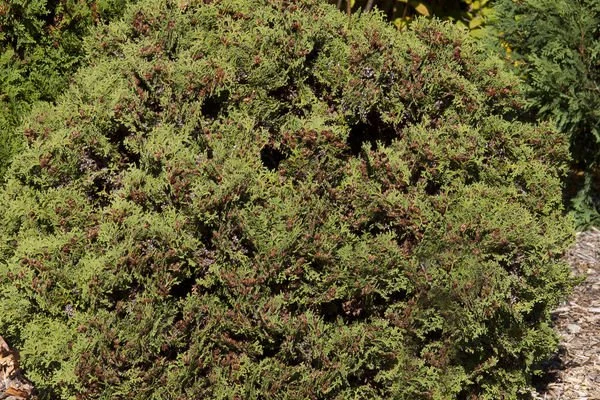
Image source: Bailey Nurseries
Description:
The Hetz Midget Thuja Shrub is a well-rounded evergreen, particularly for its wonderful globe silhouette and convenient dwarf size. Requires no shearing to maintain globe form. Very slow grower. Plus, it's a hardy and adaptable shrub that's excellent for everything from containers to rock gardens and plant beds.
Species Specs
Height: 2’
Spread: 2-3’
Exposure: Full Sun
Zone: 3-8
Plant Care:
Hetz Midget Arborvitae grows best in full to partial sun and prefers moist soil, though it’s adaptable to a range of soil types once established. Water when the soil is dry a couple inches down, especially during dry spells, and consider a light application of evergreen fertilizer in spring if you’d like to give it a boost. This compact arborvitae naturally keeps a tidy shape, so pruning is only needed if you want to fine-tune its size or form.
Hibiscus Moonshadow Rosita
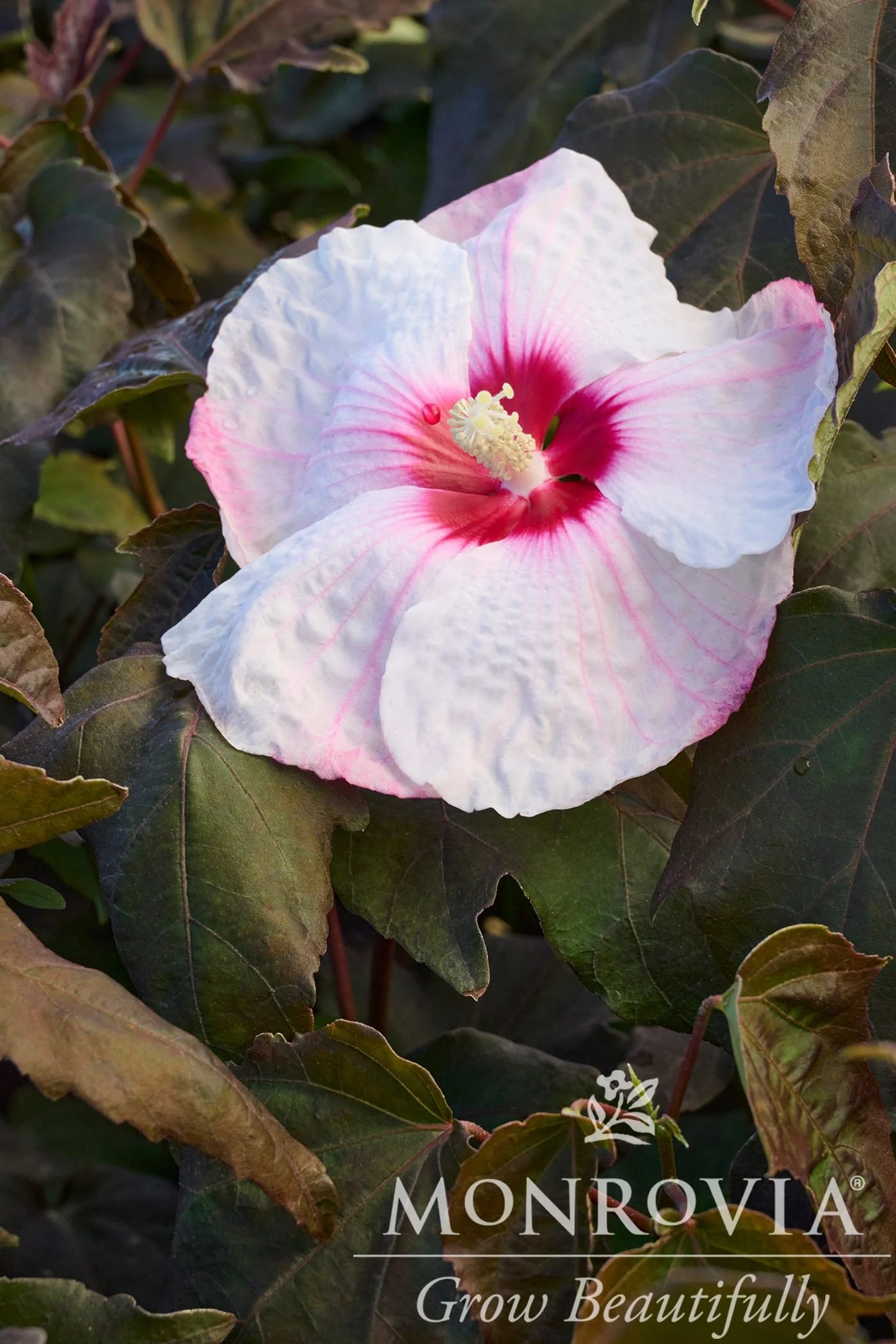
Image source: Monrovia Nurseries
Description:
Big, lightly blushing blooms with a deep crimson center contrast against the dark, purple-black foliage on a densely branched, compact plant. Breaks dormancy and blooms several weeks earlier than other varieties, with a heavy flower set. A beautiful addition to perennial borders, or excellent in planters. Boasts increased tolerance of Japanese beetles and sawfly larvae. Herbaceous perennial.
Species Specs
Height: 4’
Spread: 3’
Exposure: Full Sun
Zone: 4-9
Plant Care:
Provide enriched, well-drained soil. Water deeply, regularly to maintain moist soil. Fertilize in early spring and regularly during the growing season. Remove spent blooms for a tidy appearance, and pinch stems back to promote bushier growth. Can be hard pruned to the ground in late winter to early spring.
Royal Frost Birch
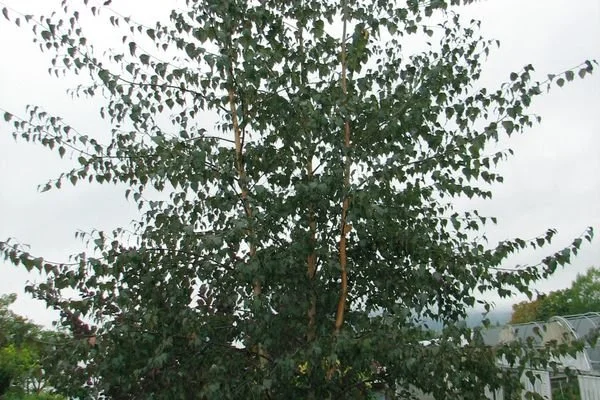
Image source: Bailey Nurseries
Description:
This birch has the best from both of its parents. From 'Whitespire' it inherited beautiful white bark and resistance to the bronze birch borer. From 'Crimson Frost' comes burgundy-red foliage. The combination of two colors makes this an outstanding specimen tree. Much faster growing than 'Crimson Frost'.
Species Specs
Height: 30-40’
Spread: 15-20’
Exposure: Full Sun
Zone: 4-7
Plant Care:
Royal Frost Birch grows best in evenly moist, well-drained soil and should be watered regularly during dry stretches, as birches do not handle drought well. It develops its best foliage color in full sun, but in warmer conditions it benefits from cool, shaded roots and a layer of mulch to help retain moisture. Prune only during winter dormancy, since pruning in spring can lead to heavy sap bleeding.
Honeycrisp Apple
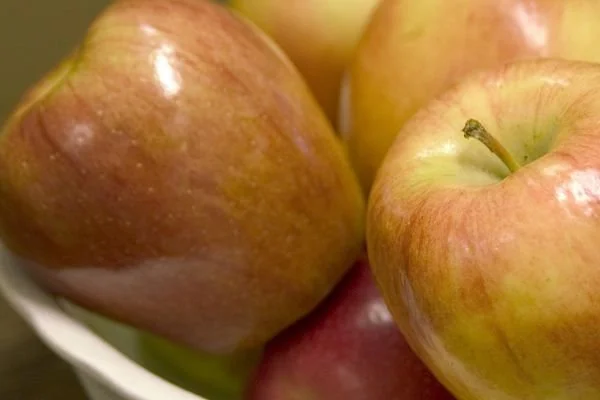
Image source: Bailey Nurseries
Description:
An exciting apple that is exceptionally crisp and juicy. Flavor is sweet but well-balanced. Excellent storage life, up to 7 months. Has been rated equal to or higher in overall quality than 'Haralson', 'Honeygold' or 'Keepsake' in winter storage trials. Ripens in late September in Minnesota and stores like a late season variety. Has become an outstanding commercial and home orchard variety because of its explosive crispness, flavor and storage life.
Species Specs
Height: Varies’
Spread: Varies’
Exposure: Full Sun
Zone: 4-7
Plant Care:
Honeycrisp Apple trees grow best in full sun and well-drained, slightly acidic soil, and they’ll need a different compatible apple variety nearby for pollination and fruit production. Young trees need consistent deep watering while establishing, along with an annual spring feeding and late-winter pruning to keep the canopy healthy and open. It’s also worth keeping an eye out for common pests and bitter pit, a calcium-related issue Honeycrisp can be prone to as fruit develops.