What's Blooming

6 Must-Have Late Fall Perennials

late fall perennials (2).png

6 Must-Have Late Fall Perennials

Fall blooming perennials are especially important food sources for butterflies and pollinators.  These plants will attract butterflies and pollinators to your yard.

Asters

Asters

·      Asters – Natives come in purple, blue, and pink. A couple of my favorite varieties are Purple Dome (deep purple, globe shaped) and Alma Potsche (bright pink – grows 4-5’)  Bloom September/October

·      Black Snakeroot – Deep burgundy leaves with pink spiking blooms, shade tolerant, Grow 3-4’ , Blooms September/October

·      Dahlias – These are bulbs that must be dug late fall, stored, and replanted in the spring. My favorite color is deep burgundy red. Grow 3-4’ Bloom August-October

·      Joe Pye Weed –Native, Purple/lavender clusters of blooms, Native Americans used as a medicine for fever, etc., Grow up to 5’, Sun or part sun

Tiny Tortuga Turtlehead

Tiny Tortuga Turtlehead

·      Pink Turtlehead – Pink blooms resemble a turtle peaking out of a deep green plant. Grow 3-4’, Sun or shade tolerant.

·      Sedums – These come in multiple varieties. A couple of my favorites are Frosty Fire (green & white variegated leaves with lime green/red blooms), Mr. Goodbud (green leaves, bright magenta blooms), and Carl (red stems, magenta blooms)  Butterfly favorites  Grow 2-4 ‘,  Also come in ground cover varieties, Bloom August- October

Cherry Truffle Sedum

Cherry Truffle Sedum

Grasses are another great addition to the fall landscape. You can read more about Grasses HERE.

More articles you might like:

PLANTING PERENNIALS THAT ATTRACT BUTTERFLIES

FALL BLOOMING PERENNIALS

6 Simple Tips to Making Your Own Fresh Flower Arrangements

flower arranging.jpg

A small fresh flower arrangement on the table adds beauty and delight to your home, and does not have to be hard.

All flowers are beautiful.  

I have never seen a “bad” arrangement.  Any one, any age can do it. However, following a few simple artistic design principles will improve the final design.

Here are some ideas and tips you might try:

1.     Do you pick your vase first or pick your flowers first? If you have a vase you want to use, start with that.  But, in general, I find it easier to pick my flowers first. Then I have a better idea what color and size vase to use.

I like to choose a vase totally opposite in color to the flowers (for example – for white hydrangeas, pick a purple vase)  OR match a color in the flowers to the vase (for example – for cone flowers pick a golden brown vase to match the golden seed heads of the flowers).  When in doubt, a green or clear vase usually works well.  A wide mouthed vase obviously takes a lot more flowers than a narrow mouthed vase. I find wide mouthed vases harder to arrange unless you have large flowers like peonies or lilacs.

2.     Pick the main larger flowers you want in the arrangement first. Some good choices that hold up well include tulips, daffodils, peonies, iris, lilacs, mockorange, roses, hydrangeas, phlox, cone flowers, sedums, daisies, black-eyed susans, etc.  (Daylilies and hibiscus do not hold up well.) Cut flowers to the appropriate length. Usually they look best if they are cut to about ½ to 2/3rds as tall as the vase. (For example - towering tall flowers in a short vase look like they will topple over – and often do!).

3.     Arrangements do not have to be large. Some of my favorite fresh arrangements are tiny ones that use lily of the valley, brunnera blooms, astilbes, or zinnias.  

4.     After choosing your primary flowers, pick smaller filler flowers with complementary colors to add to the arrangement. Some of these filler flowers might be daisies, zinnias, astibles, mums, asters, hosta flowers, etc. Cut these filler flowers to about 2/3 length of the other flowers you picked. Place around the taller flowers.

5.     Add filler greens to complete the arrangement.  Some of my favorite fillers are baptisia leaves, astilbe leaves, small fern leaves, Russian sage, and hosta or brunnera leaves.

6.     Finish the arrangement by tying a ribbon or string around the vase if desired.  Add water.

 Making Fresh Arrangements with “Wet Foam”  

1.     If you have a low container for your arrangement you will want to use wet foam for placing the flowers.  Using a sharp knife, cut the foam to the size of the container and about the height of the container or slightly higher.

2.     Arrange the stems of your primary flowers in the foam. Often the “rule of 3” is a good one to follow. Typically 3 of something looks more artistic than 2 of something. Or an odd number usually is more pleasing than an even number. Fill in around the primary plants with other flowers and greenery, cutting those flowers to about 2/3 the length of the primary flowers.   

3.     Use filler leaves, such as hostas, around the outside edge of the container to cover the foam.  Small sprigs of evergreen might also be used as a filler. Moss or beads may also be used to cover the foam.

4.     Adding a bow or ribbon also enhances the final look.

5.     Water the arrangement.  Keep wet foam moist to make the arrangement last longer.

flowerarranging3.jpg

What's Blooming 8.8.19

What’s Blooming 8.8.19

What’s Blooming 8.8.19

It’s hard to believe it’s been 2 months since the last post about What’s Blooming at Natural Plus Nursery.

I love these posts, because who doesn’t love to look at photos of beautiful blooms?!

I also love to use these posts to help me plan my landscape to ensure blooms in my yard all season long. Just simply look back on the previous months to help you decide what to plant to get blooms in May and June.

Many varieties of daylilies available at Natural Plus Nursery

Many varieties of daylilies available at Natural Plus Nursery

CINDERELLA MILKWEED: A favorite of butterflies

cinderellamilkweed.jpg

CONEFLOWERS

coneflower.jpg

BLACK EYED SUSAN or RUDBECKIA

Read about more Prairie Plants favorites HERE

AUTUMN JOY SEDUM: A butterfly and bee favorite

sedum.jpg

GLOBE THISTLE

globethistle.jpg

Previous What’s Blooming Posts:

6.20.19

5.22.19

What's Blooming: 5/22/19

WHAT'S BLOOMING.jpg

I know the weather hasn’t been feeling like spring, but the blooms at the nursery and around town are telling us otherwise!

Here’s a round up of some of the things that are blooming at the nursery, in my yard, and around town!

First up, creeping phlox. The top left picture was taken on Main Street in Clear Lake. They are putting on quite the show right now!

First up, creeping phlox. The top left picture was taken on Main Street in Clear Lake. They are putting on quite the show right now!

I’m sure we’ve all noticed the Crab trees around town in all their glory. I just wish they would last longer!

7CD25E08-921D-452D-9B61-0B690BB0508A 2.JPG
2D9BCD98-3354-487B-B3DC-ED2C572F52AB.JPG
IMG_8139.JPG
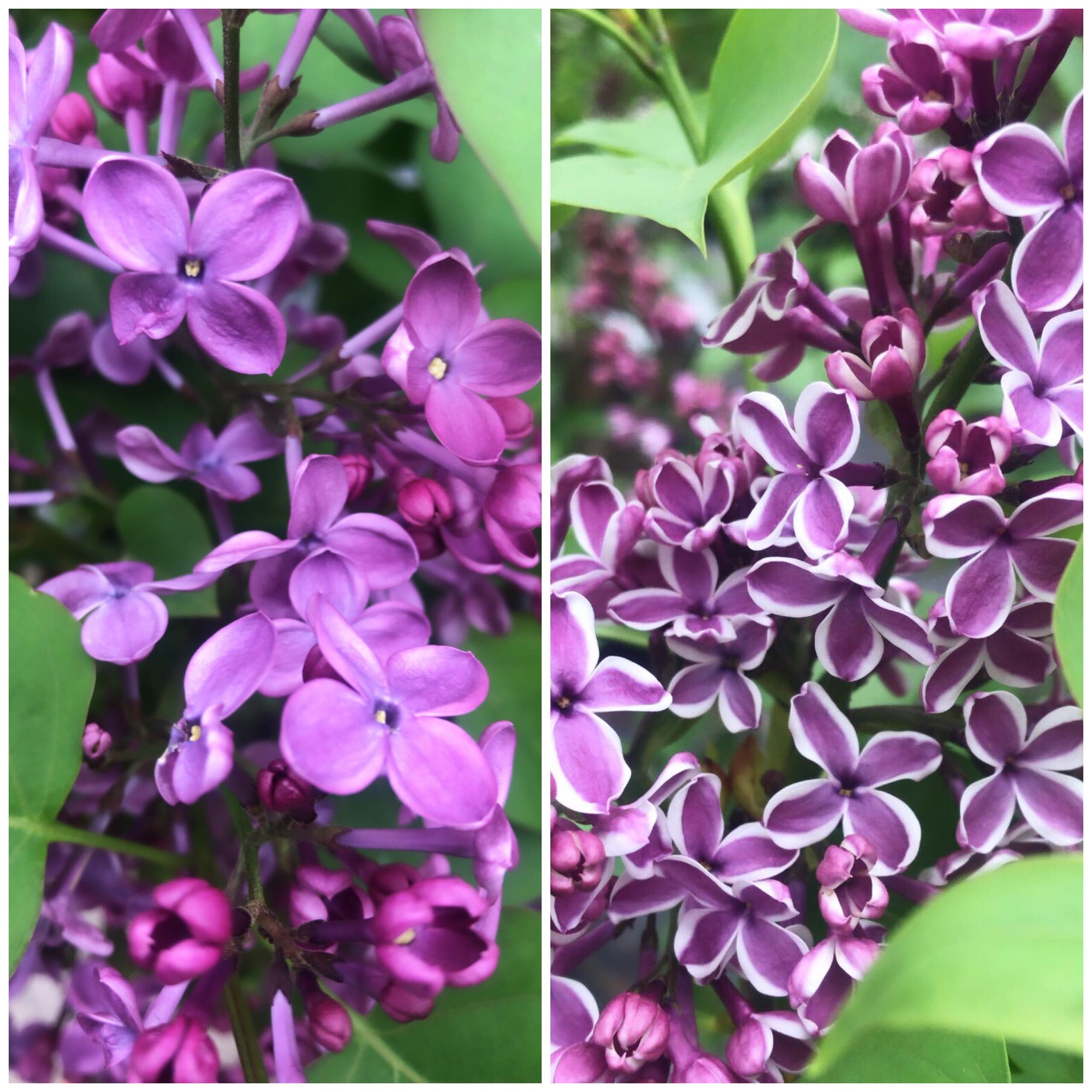
Lilacs are blooming! And they smell so good! Want to add some fragrance to your landscape? Here’s an article to get you started HERE

Lilacs are blooming! And they smell so good! Want to add some fragrance to your landscape? Here’s an article to get you started HERE

Daffodils and irises make a lovely combination.

Daffodils and irises make a lovely combination.

And an old classic, the bleeding heart, pic taken from my yard.

And an old classic, the bleeding heart, pic taken from my yard.

So many beautiful blooms right now and we are just getting started!

What’s blooming in your yard?